%2Ffit-in%2F250x250%2Fguide_websites%2F1093%2Fimages%2F1758852672918bannerlgcopy.jpg&w=1200&q=100)
Expert 6-Hour BackCountry Fishing in Jacksonville
- Published Date: October 11, 2025
- Fishing
- Jacksonville
- Updated Date: December 22, 2025
Summary
%2F%2Fusers%2F94ef273c-5585-4b77-86e5-2e3540c9d2e9%2Fratecard%2F7-pounder-6-19.jpg-cropped-mg04fqb8.jpg&w=1200&q=75)
Jacksonville Fishing Action
Jacksonville Inshore Fishing with Capt. Dave
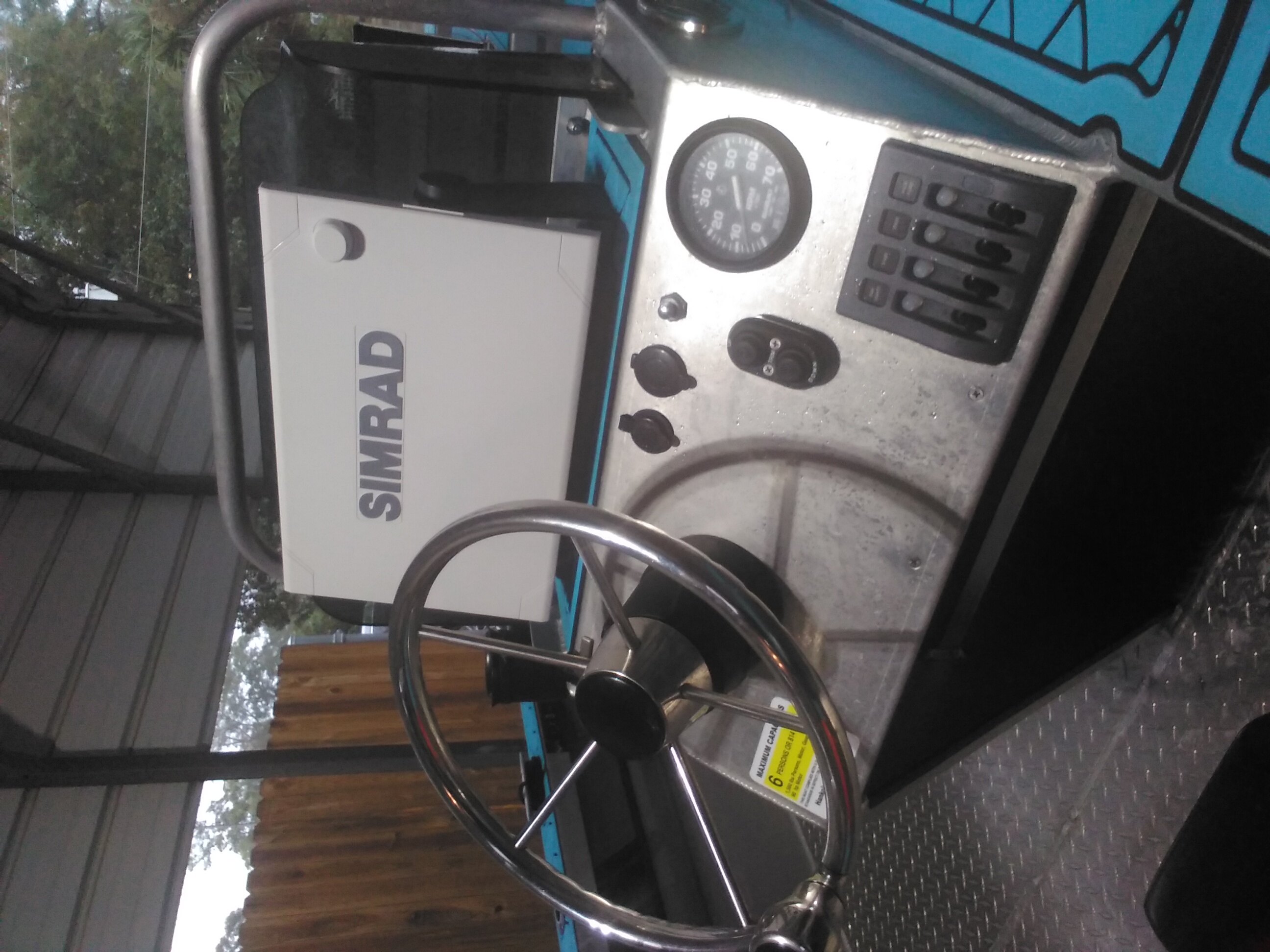
Looking for a top-rated inshore fishing experience in Jacksonville? Capt. Dave's got you covered with 28 years of guiding experience on these waters. This private 2-person charter takes you out on the St. Johns River and surrounding saltmarsh for 6 hours of serious fishing action. You'll launch at 7am sharp aboard his custom 2025 Jettywolf - a 20-foot shallow draft bay boat built specifically for these waters. The early start time isn't just for show - it puts you right in the sweet spot when fish are most active, and you'll work with the tides that change every 6 hours. This isn't some cookie-cutter trip either. Dave reads the water, adjusts to conditions, and puts you where the fish are biting that day.
What to Expect on the Water
This is a hands-on fishing adventure where you'll actually learn something. Dave's not the type of captain who just motors to a spot and drops lines - he's constantly reading conditions, watching baitfish, and positioning the boat for your best shot at hooking up. The Jettywolf's shallow draft design means you'll get into backwater areas that bigger boats can't reach, where redfish love to cruise the flats and seatrout hang around grass beds. You'll be standing and moving around the boat throughout the day, so come ready to be active. The 6-hour timeframe includes travel time, but Dave maximizes every minute on productive water. All your gear is provided - rods, reels, tackle, coolers, ice, and even your fishing license. Just bring drinks, snacks in a grocery bag, and wear sneakers with good grip. Dave's serious about the footwear - no work boots or hard-soled shoes that could damage his custom deck, and open-toed sandals aren't safe when you're handling fish with sharp fins and gill plates.
Techniques & Tackle
Dave switches up techniques based on what's working that day and where the fish are holding. You might be bottom fishing with cut bait around structure, casting jig heads to redfish tailing in shallow water, or drifting slip floats over grass beds where seatrout are feeding. The beauty of inshore fishing in Jacksonville is the variety - one minute you're sight-casting to a school of reds cruising a flat, the next you're working a deep creek bend for black drum. Dave uses a mix of live bait, natural baits, and artificials depending on conditions. Live shrimp is always a winner, but he's not afraid to tie on a topwater plug when fish are busting baitfish on the surface. The spinning tackle setup is perfect for beginners but effective enough that experienced anglers stay busy. You need to be able to cast reasonably well to get the most out of this trip - inshore fishing often means making accurate casts to specific targets, whether that's a downed tree, oyster bar, or patch of grass where fish are hiding.
Customer Stories
"Took the kids 15y and 4yr, both got seasick but Captain Dave not only handled well but with the shorter on open water experience took us up river for sightseeing and a bit of history it was a great end" - Rhonda
Species You'll Want to Hook
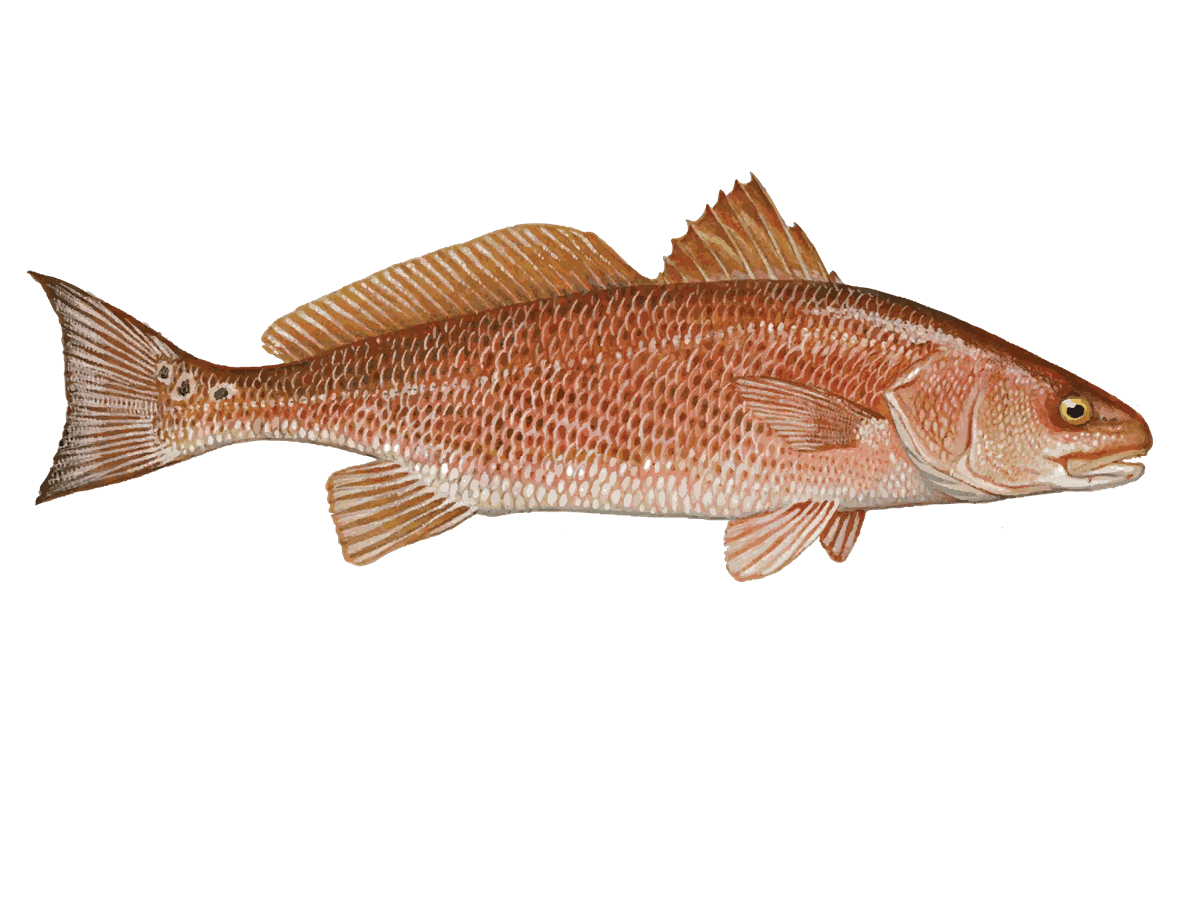
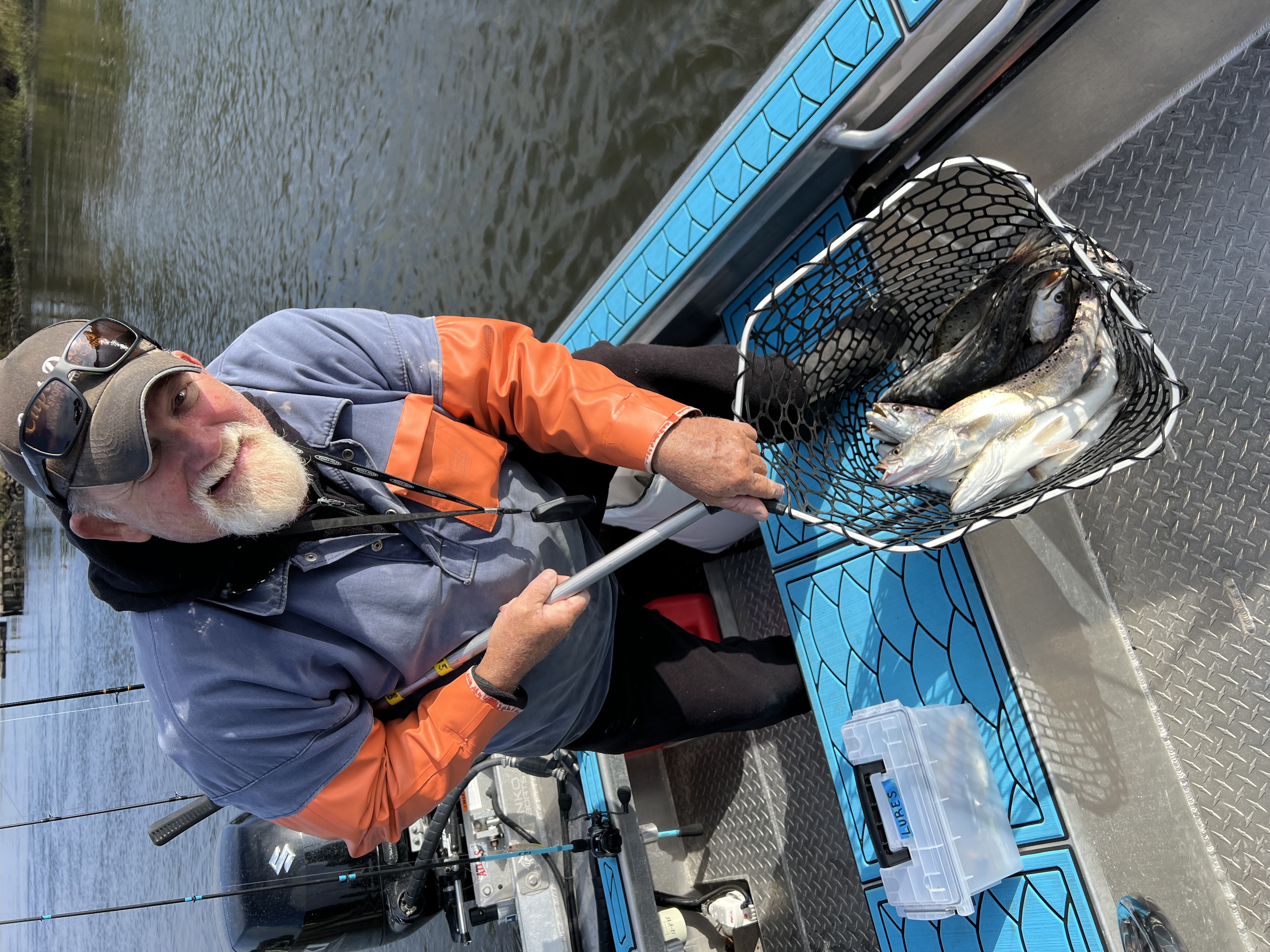
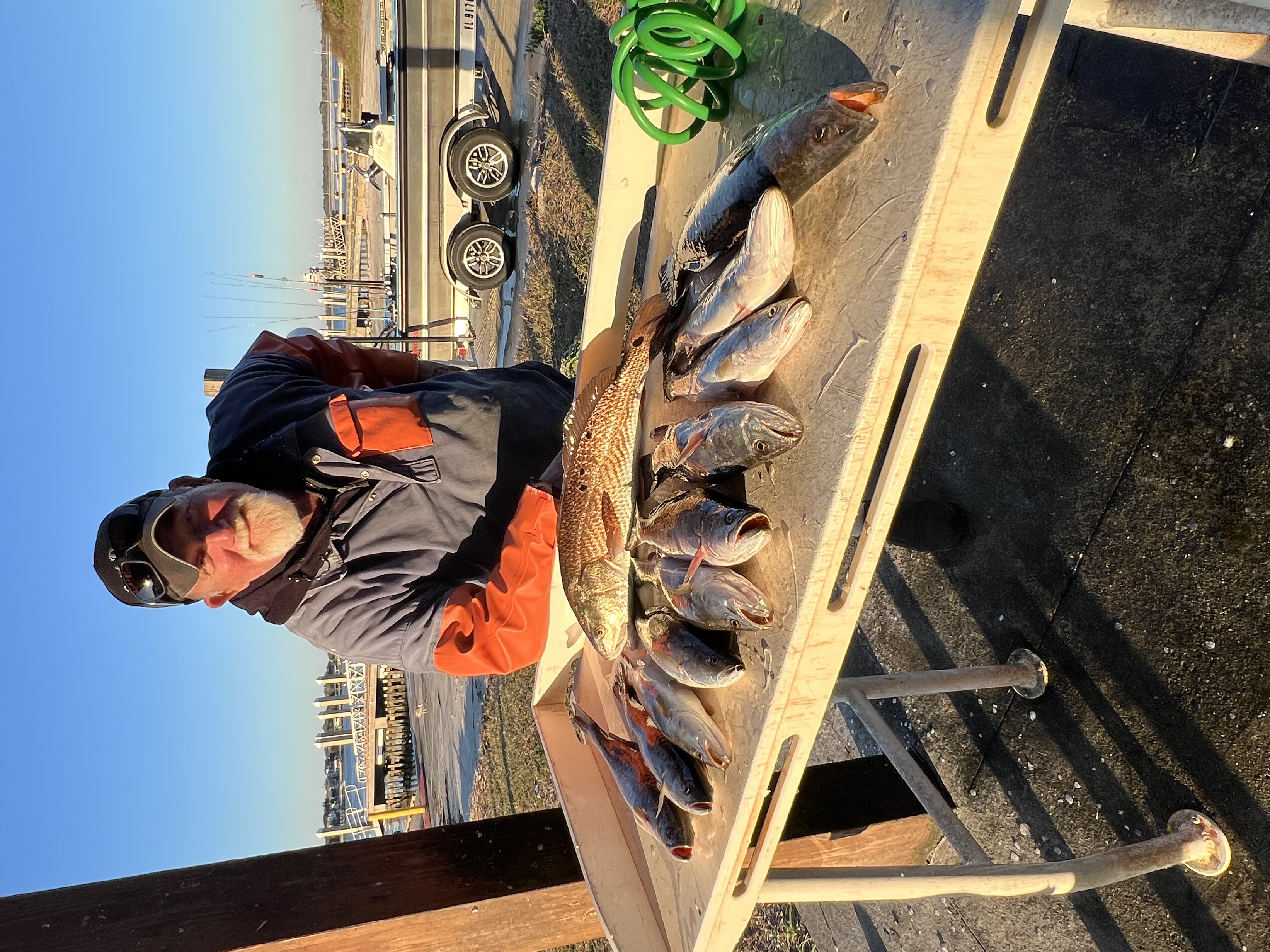
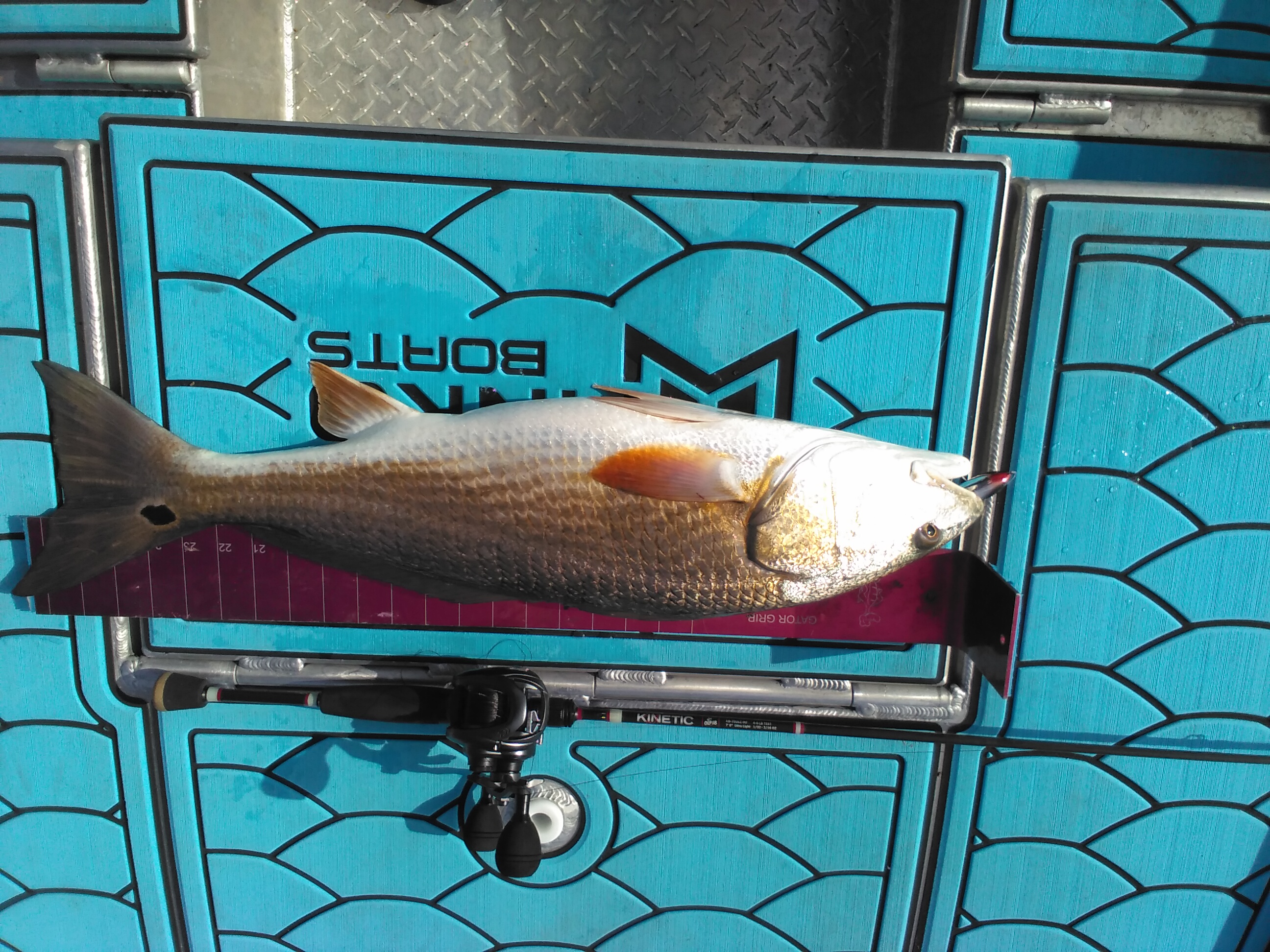
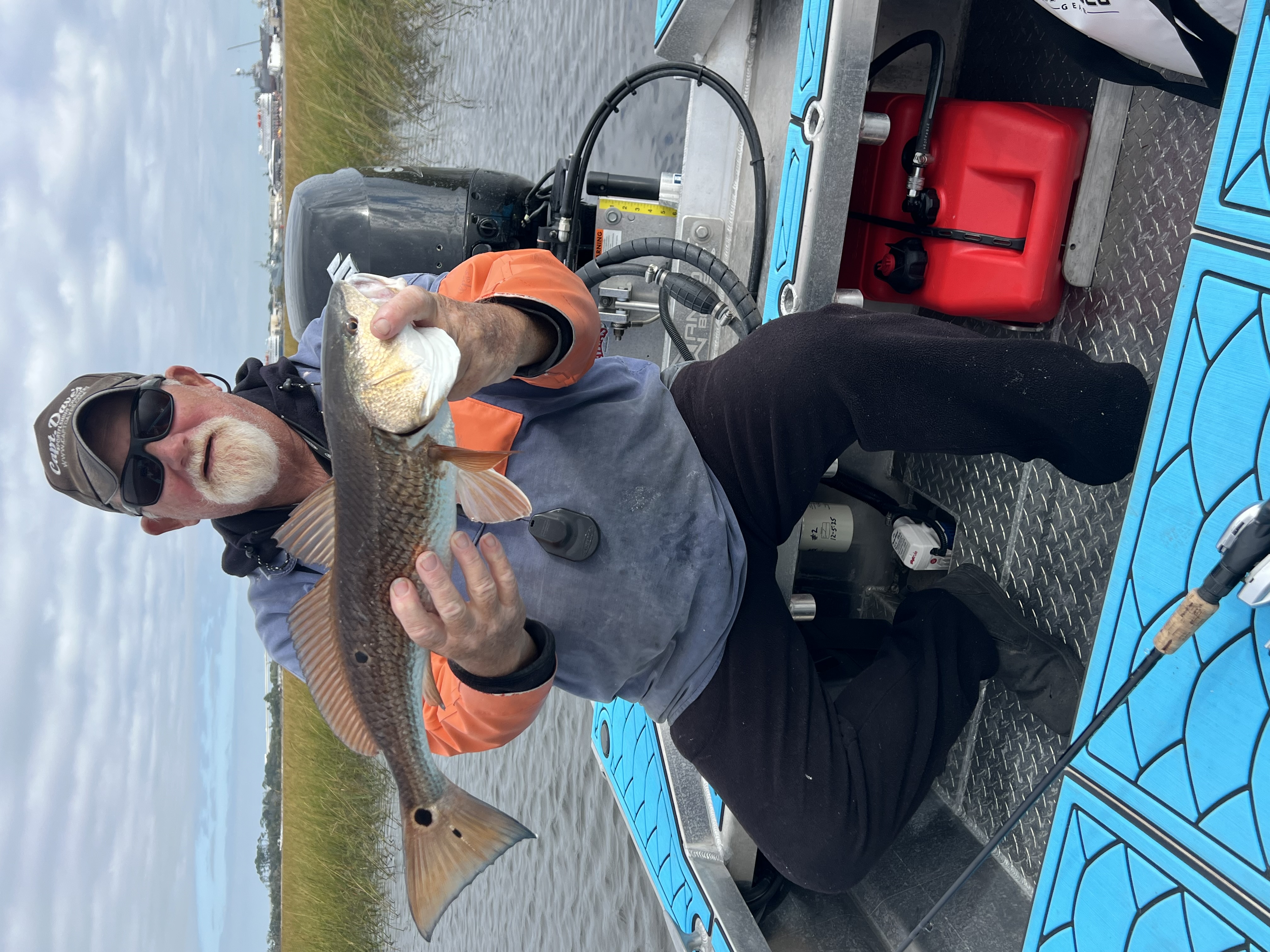
Redfish are the stars of Jacksonville's inshore scene, and for good reason. These bronze-backed fighters are available year-round and put up a serious scrap when hooked. You'll find them in 1-4 feet of water around oyster bars, grass flats, and creek mouths. Reds are ambush predators that cruise slowly until they spot prey, then explode on it. Watch for their copper-colored backs or black-spotted tails when they're feeding shallow. They're not picky eaters - live shrimp, cut mullet, or a well-placed jig head will get their attention. What makes redfish special is how they fight - they use their broad sides like a sail against the current, making multiple powerful runs that'll test your drag system.
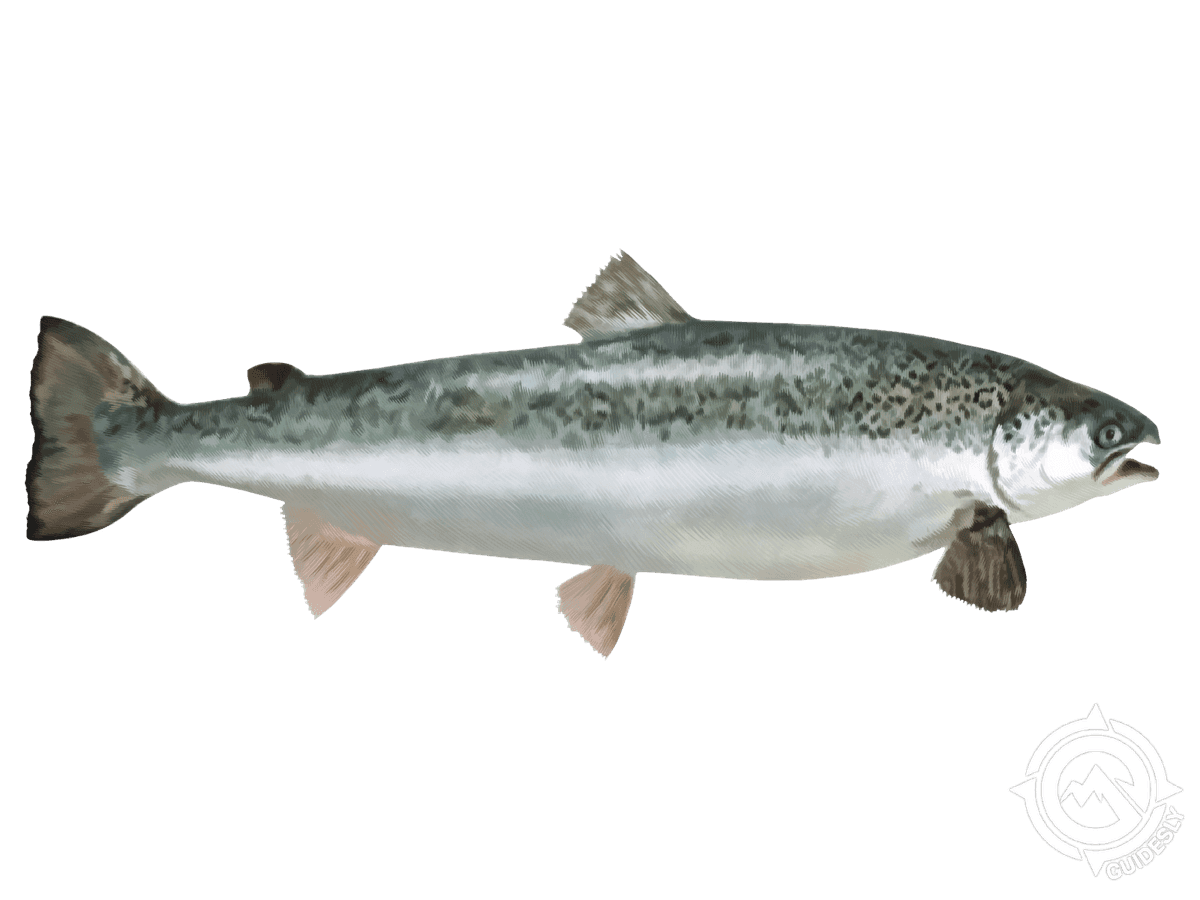
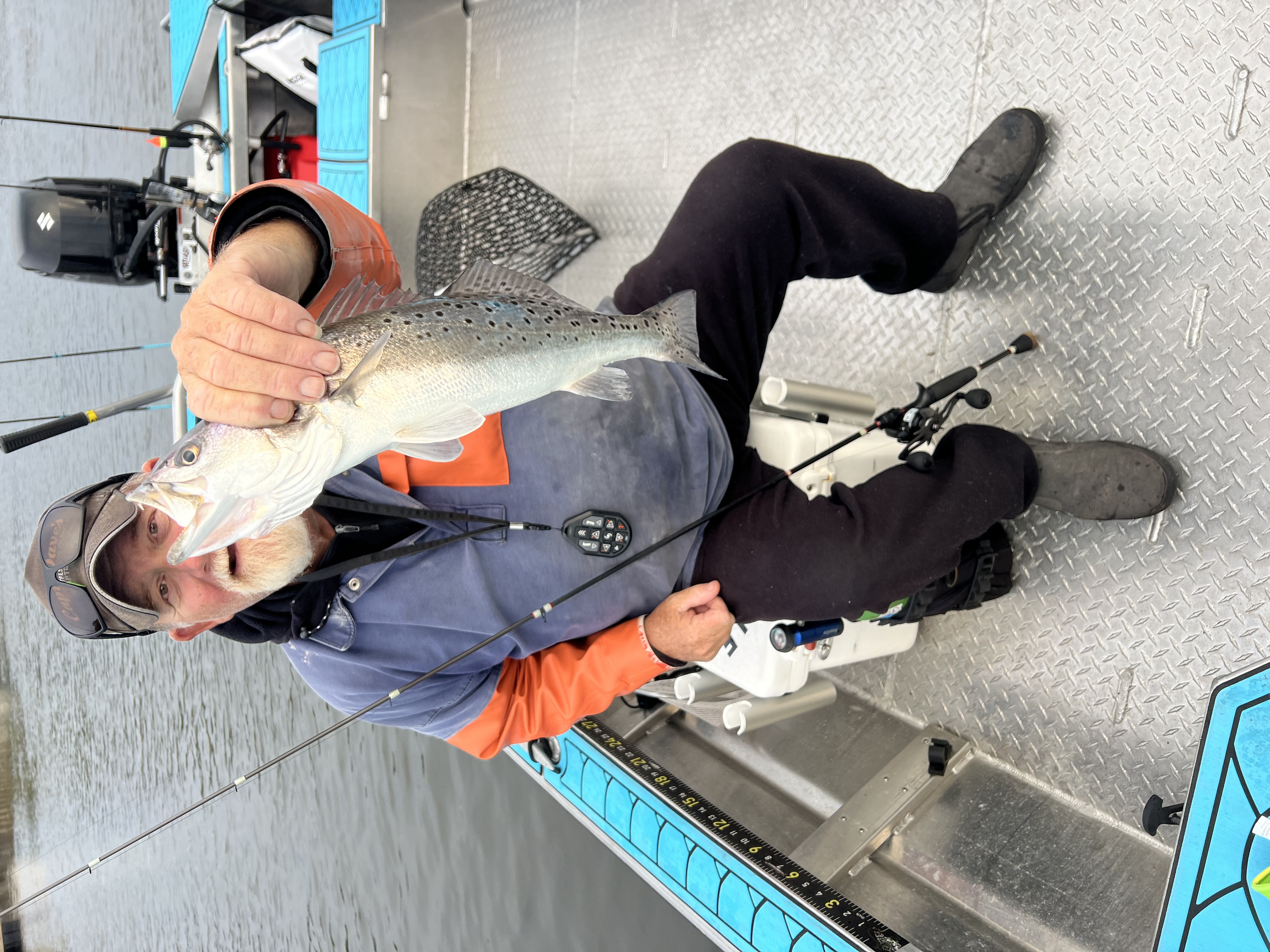
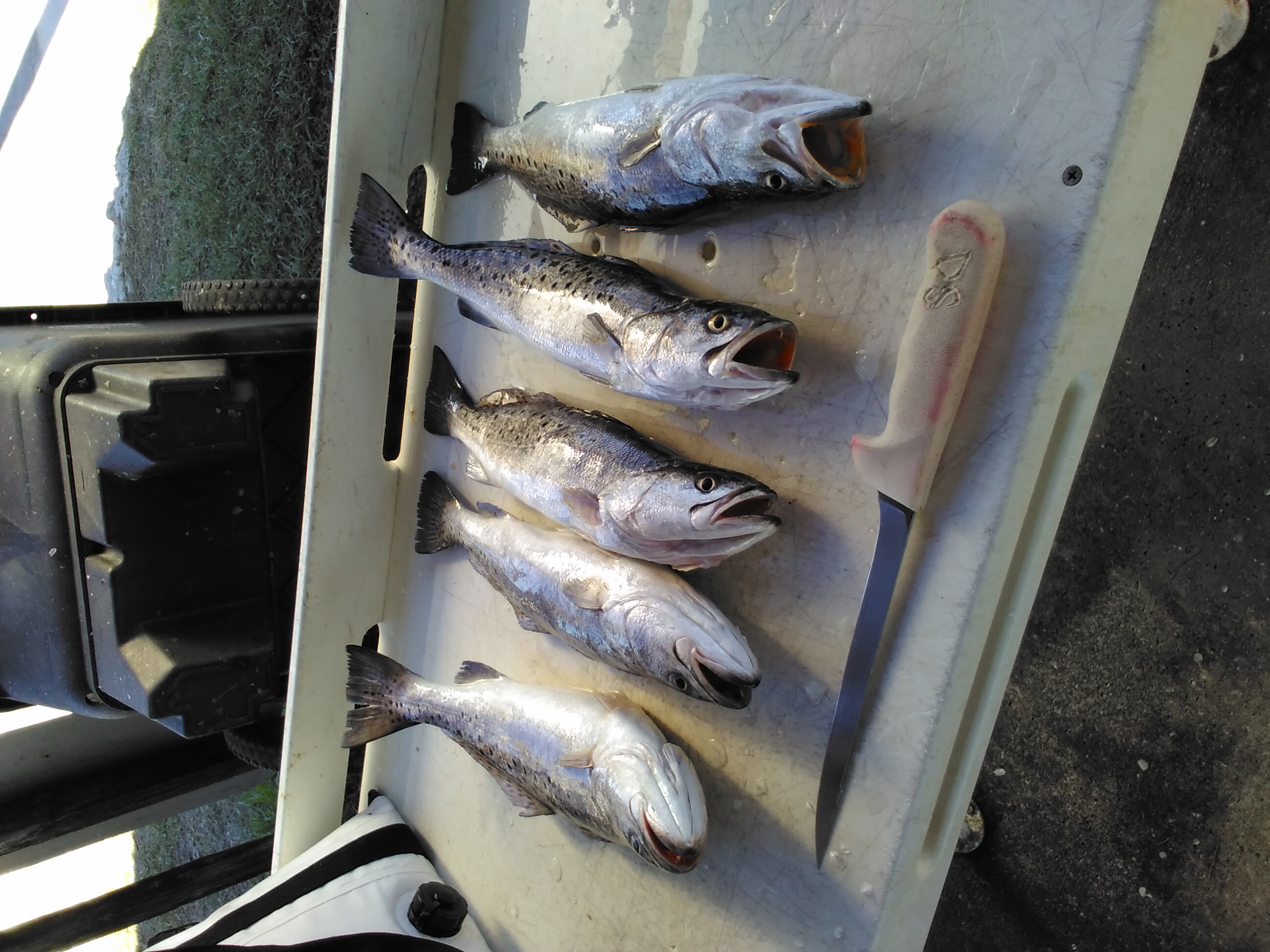
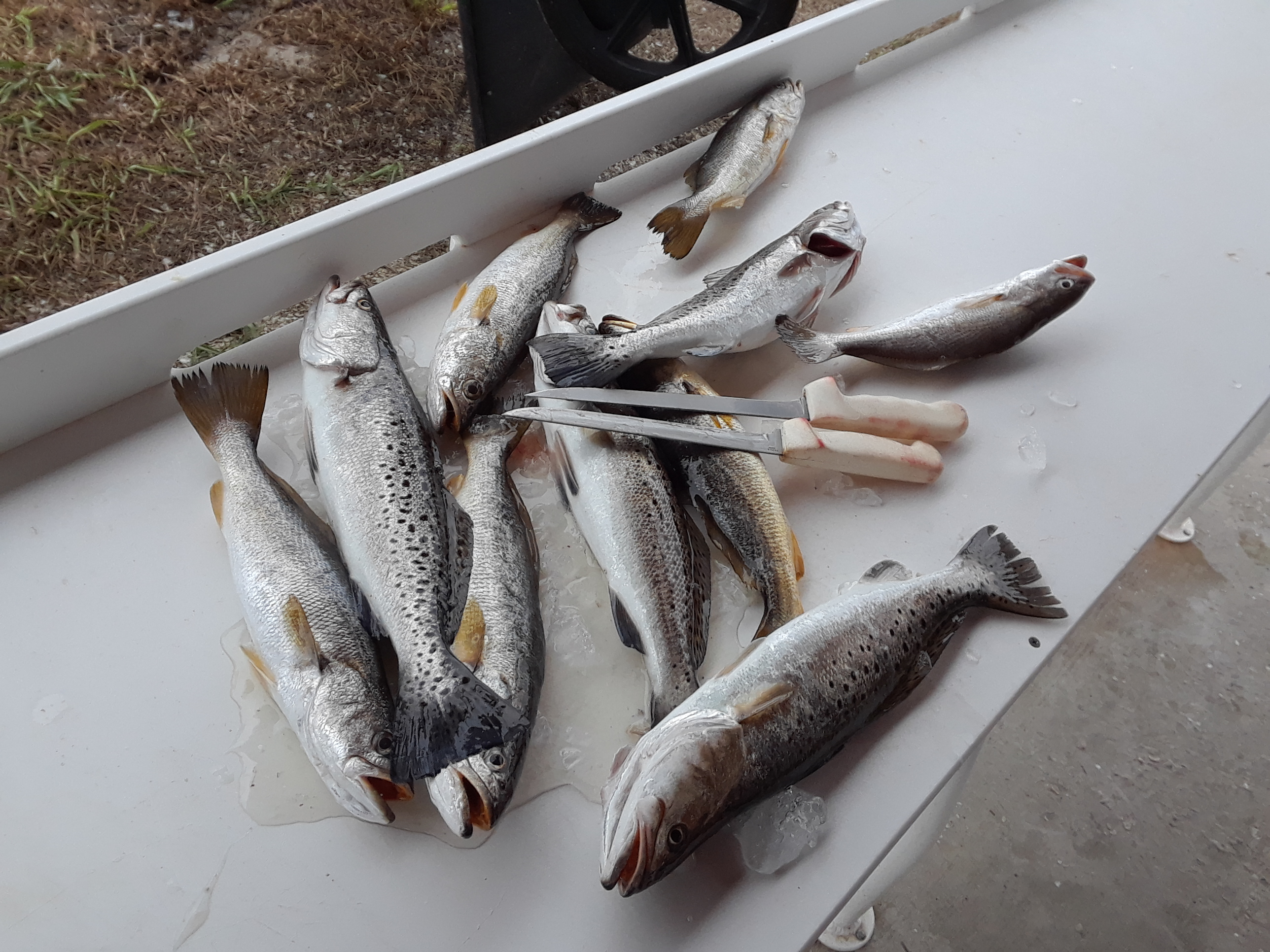
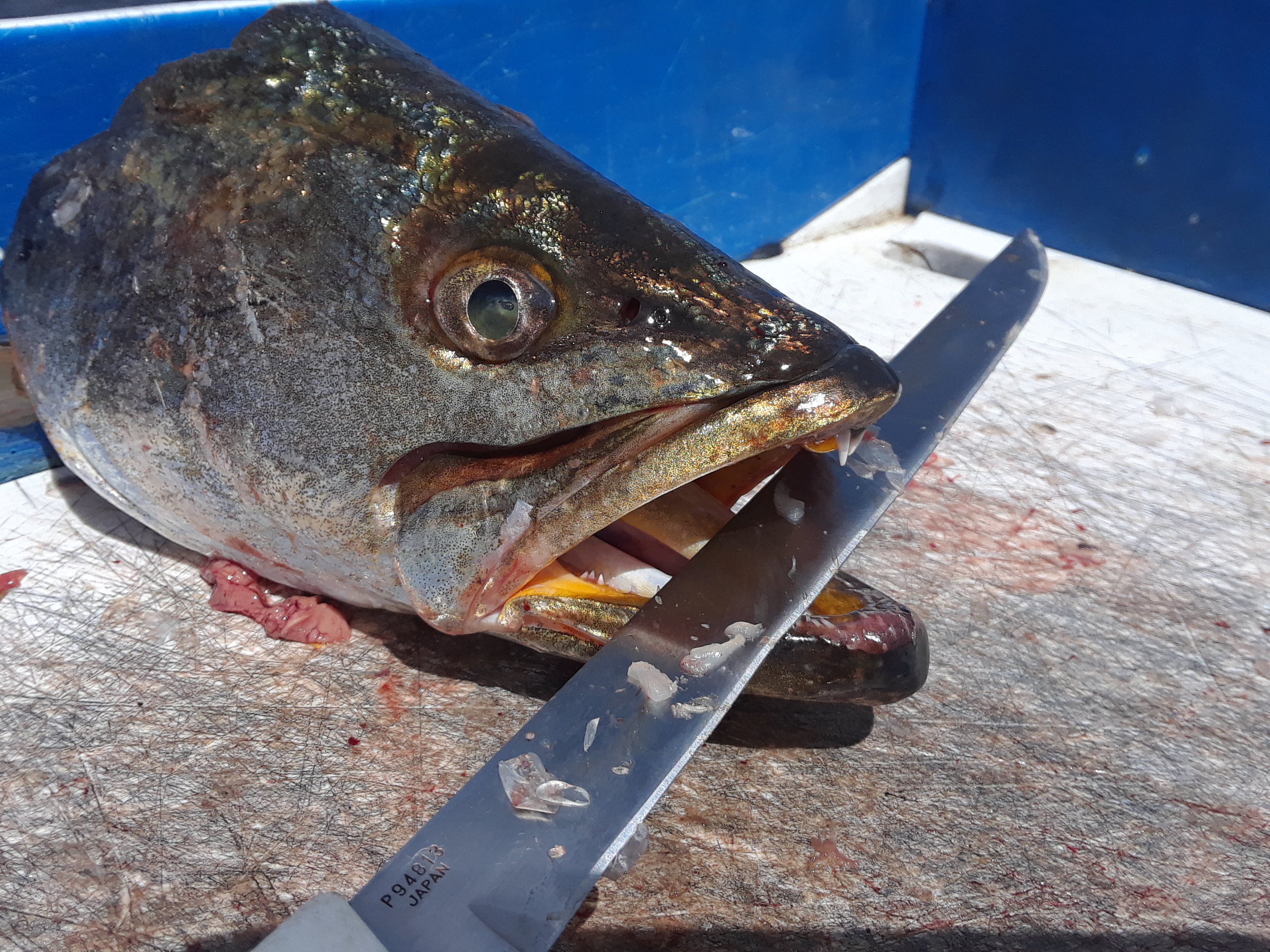
Sea Trout are the most cooperative fish you'll encounter, especially during cooler months when they school up in deeper grass beds and creek channels. These spotted beauties are masters of structure, relating to anything that provides cover and current breaks. They've got excellent eyesight and will often follow a lure for several feet before deciding to strike. The trout bite really turns on during moving water - incoming and outgoing tides bring baitfish through their feeding zones. They're perfect for anglers learning to read water since they're predictable in their habits. A slow-moving jig bounced along the bottom or a popping cork with live shrimp suspended below rarely fails to produce.
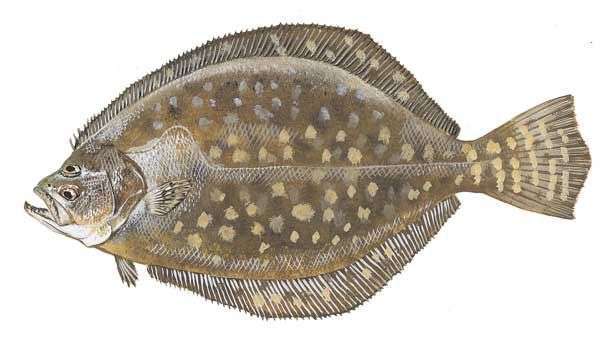
Southern Flounder are the ninjas of the flats - masters of camouflage that lie buried in sand and mud waiting for prey to swim overhead. These flatfish are more active during cooler months and provide some of the best table fare you'll find inshore. They prefer areas where current sweeps baitfish past their ambush points - creek mouths, channel edges, and points where tide flows around structure. Flounder fishing requires patience since they often mouth a bait before fully committing. You'll feel a subtle tap or weight on your line rather than a hard strike. The reward is worth the wait - these pancake-shaped fighters are surprisingly strong and make excellent eating.
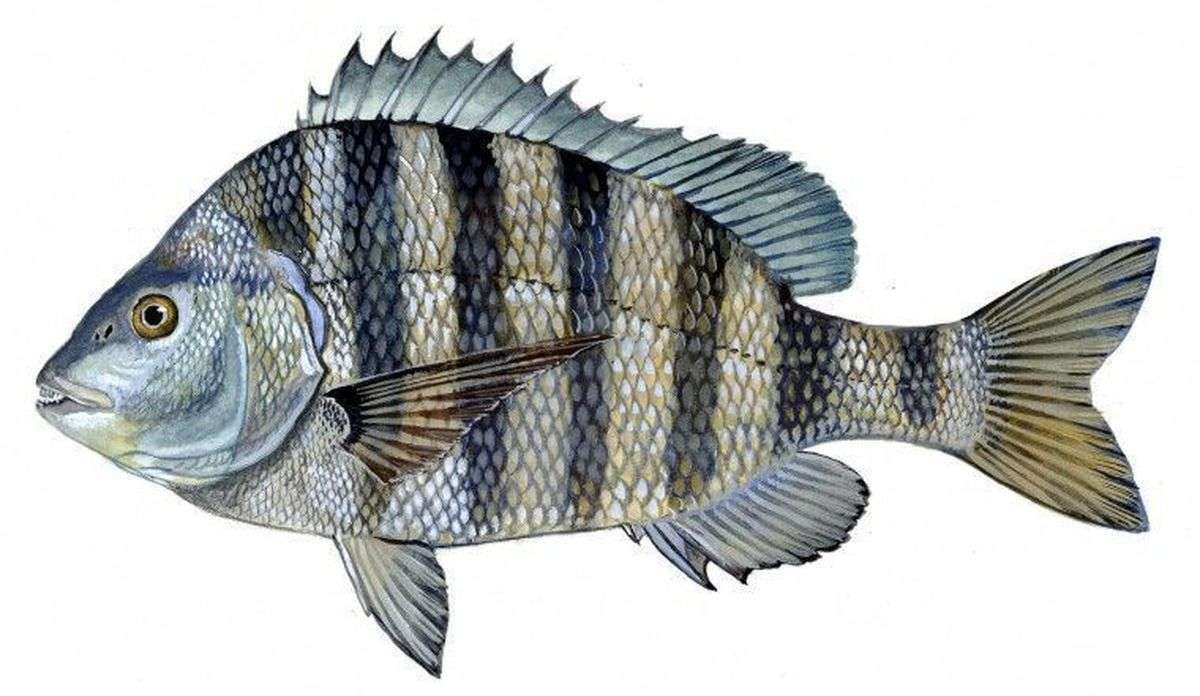
Sheepshead are the thieves of the inshore world, notorious for stealing bait with their human-like teeth and incredible precision. They hang around any hard structure - docks, pilings, oyster bars, and bridge supports where barnacles and crustaceans provide steady meals. These black-and-white striped convicts are incredibly smart and require finesse fishing with light tackle and small hooks. They're most active during cooler months and provide some of the most challenging fishing you'll find inshore. When you finally hook one, they make short, powerful runs and use structure to try breaking you off. The payoff is some of the sweetest white meat in the ocean - many consider sheepshead better eating than snapper or grouper.
Time to Book Your Spot
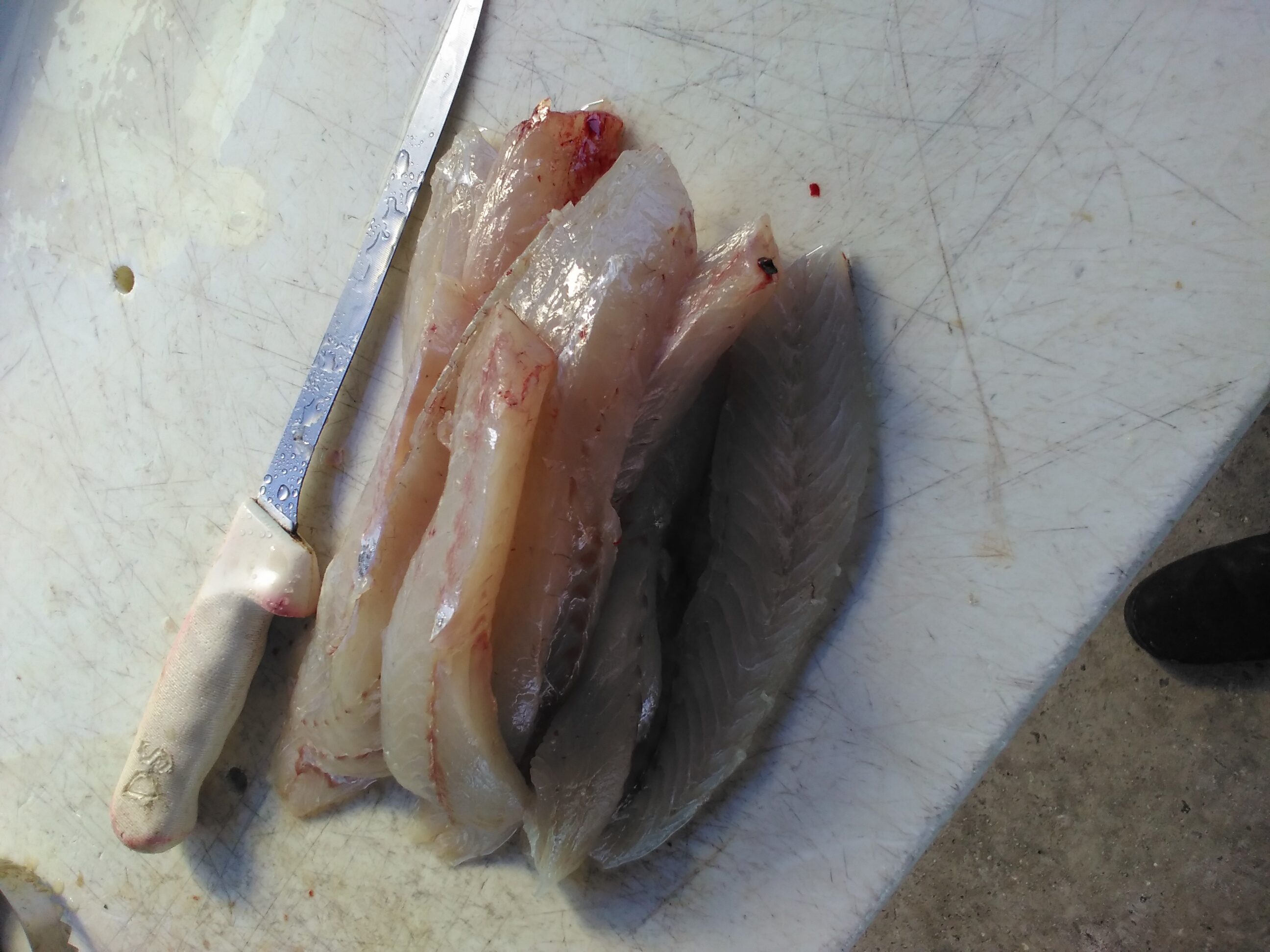
Capt. Dave's 28 years of experience and customer-favorite approach make this one of Jacksonville's most reliable inshore fishing experiences. The full payment upfront system means no awkward money exchanges at the dock after a long day - everything's handled when you book. Dave even offers fish cleaning services on a gratuity basis, so you can head home with fresh fillets ready for the dinner table. His willingness to adapt trips for families, like taking seasick kids up river for sightseeing and local history, shows the kind of captain he is. This world-class inshore fishery produces year-round, but the best action often happens when you least expect it. Don't wait for the perfect weather forecast - some of the most memorable fishing happens when conditions aren't picture-perfect. Call Dave at 904-642-9546 between 8am-8pm to lock in your dates and get ready for some serious Jacksonville inshore action.
Customer Review
Kids Got Seasick But Captain Dave Saved Day

Rhonda Herrmann
November 11, 2020
Learn more about the species
Redfish
Redfish are the crown jewel of our Jacksonville flats - bronze-colored bruisers with that distinctive black spot near their tail. Most slot fish run 18-27 inches, but we also target the big bulls that can push 40+ inches and really bend the rod. They cruise our shallow marshes, oyster bars, and grass flats in just 1-4 feet of water, sometimes with backs exposed. Fall through spring offers the best action when they're feeding aggressively. What makes them special is that powerful fight and how they'll hit everything from topwater plugs to live shrimp. The meat from slot-sized fish is excellent eating too. They're smart fish that spook easily, so we approach quiet and make long casts. My secret: look for nervous water or tailing fish, then cast well ahead of where they're heading and let them find your bait.
Sea Trout
Spotted sea trout, or "specks" as we call them, are Jacksonville's most reliable inshore target. They typically run 14-20 inches with plenty of fight in their slender bodies. You'll find them over grass flats, around creek mouths, and near deeper channels in 2-6 feet of water. Dawn and dusk are magic hours, especially during spring and fall when they're most active. What guests love is their willingness to hit both live shrimp and artificial lures, plus they make great table fare with that tender white meat. The bite can be subtle or aggressive depending on conditions. They school up in cooler months, making for fast action. Pro tip: when fishing grass flats at night, listen for their distinctive "drumming" sound - it'll lead you right to the school. Keep your bait just above the grass tops.
Sheepshead
Sheepshead are the clever convicts of our local waters with their black and white stripes and human-like teeth. Most range 2-5 pounds around Jacksonville's docks and bridge pilings, though we occasionally hook into 8+ pounders. They love munching barnacles and crabs around any structure, so we fish tight to pilings, jetties, and oyster bars. Spring is fantastic when they're spawning, but they bite year-round if you know where to look. Guests love the challenge - these fish are notorious bait thieves with soft mouths that require finesse. The white meat is some of the best eating you'll find. Here's the secret: use small hooks with fresh shrimp or fiddler crabs, and when you feel that subtle nibbling, set the hook immediately. They'll steal your bait all day if you hesitate.
Southern Flounder
These flat fish are masters of disguise, burying themselves in sandy or muddy bottoms along our shallow marshes and river channels. Most run 15-18 inches, but we see some pushing 25+ inches that'll really test your drag. They're ambush predators that wait for bait to drift by, then strike hard. Fall and winter are prime time when they're feeding heavy before moving offshore to spawn. What makes them special is that unique flat body and both eyes on one side - always gets folks talking. The meat is sweet and flaky, perfect for the dinner table. My tip: when you feel that initial tap, count to three before setting the hook. They like to mouth the bait first, and patience pays off with these sneaky bottom dwellers.
About the Capt. Dave’s Sport Fishing
%2F%2Fusers%2F94ef273c-5585-4b77-86e5-2e3540c9d2e9%2Fvehicle_picture%2Fimg_6872.jpg&w=1200&q=75)
Vehicle Guest Capacity: 2
Manufacturer Name: Suzuki
Maximum Cruising Speed: 40
Number of Engines: 1
Horsepower per Engine: 90



Took the kids 15y and 4yr, both got seasick but Captain Dave not only handled well but with the shorter on open water experience took us up river for sightseeing and a bit of history it was a great end