%2Ffit-in%2F250x250%2Fguide_websites%2F1093%2Fimages%2F1758852672918bannerlgcopy.jpg&w=1200&q=100)
4-Hour Inshore Fishing in Jacksonville
- Published Date: October 2, 2025
- Fishing
- Jacksonville
- Updated Date: January 18, 2026
Summary
%2F%2Fusers%2F94ef273c-5585-4b77-86e5-2e3540c9d2e9%2Fratecard%2F11-19-3wes-mkhhyvkg.jpg&w=1200&q=75)
Jacksonville Fishing Action
Jacksonville Inshore Fishing with Capt. Dave
Want to fish Jacksonville's best inshore waters without the crowds? Capt. Dave's 4-hour private charter puts you and one buddy right where the redfish are biting. This isn't some cookie-cutter trip – you're getting nearly three decades of local knowledge packed into one morning on the St. Johns River and surrounding saltmarsh. The 7am departure means you'll beat the boat traffic and hit prime feeding times when fish are most active. Dave runs a brand-new 2025 Jettywolf, a 20-foot custom bay boat built specifically for these shallow waters where the big fish hide.
What to Expect on the Water
This is fishing the way it should be – just you, your fishing partner, and a guide who knows every oyster bar and grass flat from memory. The St. Johns River system offers some of the most consistent inshore action on Florida's east coast, and Dave's got the spots dialed in. You'll cover different water depending on tides, weather, and what's biting, but expect to work everything from sandy potholes to structured shorelines. The shallow-draft Jettywolf gets you into places bigger boats can't reach, which is exactly where those trophy reds like to cruise. Four hours gives you plenty of time to move around and find active fish without feeling rushed. Dave handles all the navigation and boat positioning – your job is simple: cast, fight fish, and have fun doing it.
Techniques & Tackle
Dave keeps things versatile depending on conditions and what the fish want. You might be bottom fishing around structure one minute, then switching to casting jig heads along grass edges the next. Slip float rigs are deadly here when fish are suspended or working baitfish schools. The tackle box includes live bait, natural baits, and a solid selection of artificials that produce year-round. All rods and reels are provided, so you don't need to haul your gear – though if you've got a lucky rod, bring it along. The key skill you'll need is basic casting ability with spinning tackle. These fish often require accurate presentations to specific spots, and being able to hit your target makes all the difference. Dave will coach you through techniques, but having solid casting fundamentals helps you capitalize when fish are feeding aggressively.
Species You'll Want to Hook
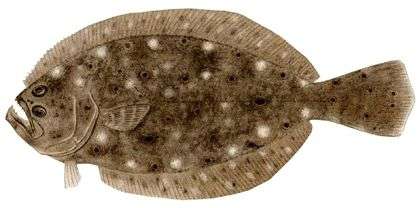
Summer Flounder are some of the most underrated fighters in these waters. These flatfish ambush prey from sandy bottoms and can surprise you with their power once hooked. Jacksonville's flounder run heavy during warmer months, with fish pushing 3-5 pounds common and occasional doormat-sized specimens over 20 inches. They're masters of camouflage and require precise presentations near bottom structure. What makes them special is their aggressive strikes – when a big flounder commits to your bait, you'll know it immediately. They're also excellent table fare, making them a customer favorite for those looking to take dinner home.
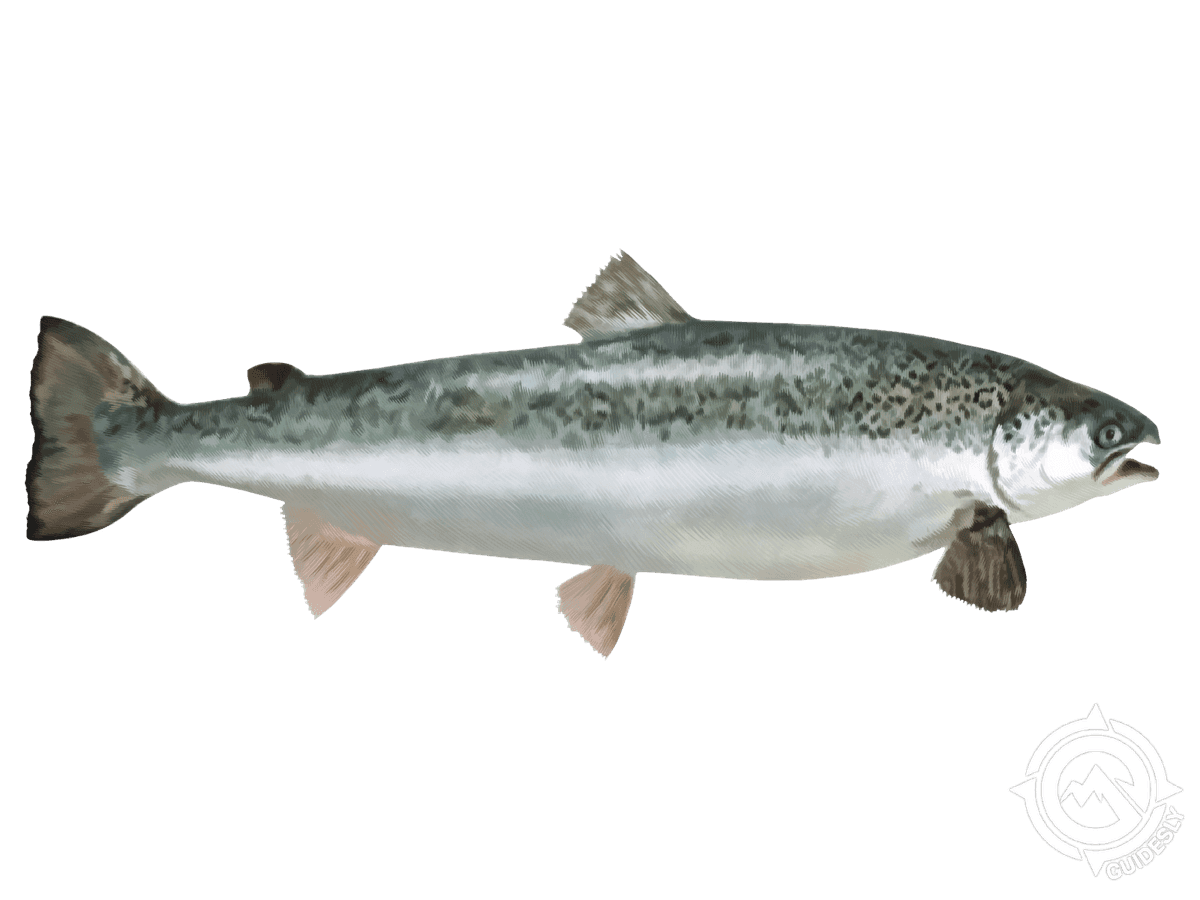
Sea Trout are the bread and butter of Jacksonville inshore fishing, and for good reason. These spotted beauties are abundant, fight well on light tackle, and can be targeted consistently throughout the year. Spring and fall see the best numbers, with fish ranging from 14-inch "keeper" size up to hefty 4-pound "gator" trout that test your drag system. They love grass flats and drop-offs where they can ambush shrimp and small baitfish. Sea trout have excellent eyesight and can be picky about presentations, making them perfect for anglers who enjoy the chess match of fishing. Their distinctive croaking sound when landed adds to the experience – it's a noise you'll remember long after the trip ends.
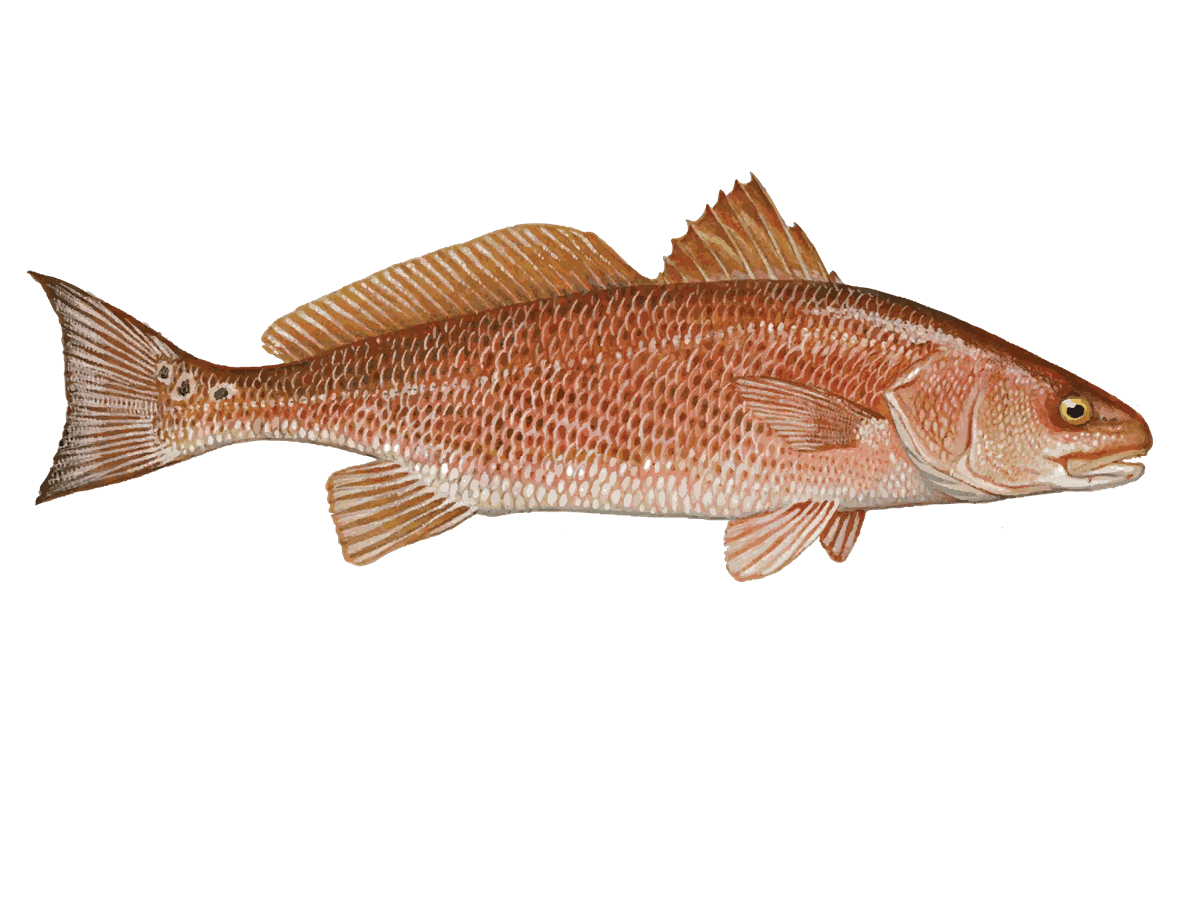
Redfish are the crown jewel of Jacksonville's inshore scene and the fish most anglers dream about. These copper-colored bruisers can push 30+ inches and provide some of the strongest fights you'll find in shallow water. Reds are year-round residents here, but fall and winter months often produce the biggest fish as they fatten up and school together. What makes redfish special is their intelligence and wariness – they're not easy to fool, especially in clear water. When you hook a slot-sized red in 3 feet of water, get ready for drag-screaming runs and head-shaking jumps that'll have your heart pounding. They're also incredibly photogenic with their distinctive black spot and bronze coloring, making for great photos before release.
Time to Book Your Spot
Capt. Dave's 28 years of experience fishing Jacksonville waters means you're getting insider knowledge that can't be bought elsewhere. The private charter format ensures personalized attention and flexibility to adjust tactics based on what you want to target. Early morning departures put you in prime position during peak feeding windows when fish are most cooperative. The custom Jettywolf provides a stable, comfortable platform that gets you to fish-holding areas other boats can't access. With all gear, licensing, and cleaning services included, this represents serious value for a top-rated Jacksonville fishing experience. Dave's phone is 904-642-9546, and he takes calls from 8am to 8pm – no texts, just straight talk about fishing conditions and scheduling your trip.
Learn more about the species
Redfish
Redfish are the ultimate shallow water gamefish around Jacksonville. These copper-bronze beauties with their signature black spots near the tail typically range from 18-32 inches in our waters, though we catch some real bulls pushing 40+ inches. They love super shallow flats, oyster bars, and marsh edges - often in water so skinny their backs show. Year-round fishing is good, but cooler months bring the best action as they school up. What makes reds special is their power and determination - they'll drag you into structure and make long runs. They're also smart fish that spook easily in shallow water, making them a real challenge. The meat is excellent too, with a mild, slightly sweet flavor. Here's my go-to trick: cast past them and work your bait back slowly - they hate having lures land right on top of them.
Sea Trout
Spotted Seatrout, or "specks" as we call them locally, are one of our most popular inshore targets. These beautiful silver fish with distinctive black spots typically run 14-24 inches and put up a great fight with their quick runs and head shakes. You'll find them cruising grass flats, around oyster bars, and in deeper channels - anywhere from 2-12 feet of water. They love structure and moving water. Spring through fall are peak seasons, with early morning and evening being prime time. What guests love most is their willingness to hit both live shrimp and artificial lures, plus they're fantastic eating with delicate, flaky white meat. Pro tip from 28 years on these waters: work your lure slowly over the grass beds and listen for their distinctive "drumming" sound when they're feeding - that's when you know you're in the right spot.
Summer Flounder
Summer Flounder are fascinating flatfish that lie camouflaged on sandy and muddy bottoms, waiting to ambush baitfish and shrimp. These "chameleons of the sea" change color to match their surroundings and can grow to impressive sizes - we typically see 15-20 inchers, but some reach over 20 pounds. They're found in our shallow bays and deeper channels year-round, but fall months from September through November are prime time when they're most active and easier to locate. What makes them special is their unique sideways bite and strong fight once hooked. They're also excellent table fare with firm, white meat. My local tip: use a circle hook and let them run with the bait before setting - they need time to turn that sideways mouth around your offering.
About the Capt. Dave’s Sport Fishing
%2F%2Fusers%2F94ef273c-5585-4b77-86e5-2e3540c9d2e9%2Fvehicle_picture%2Fimg_6872.jpg&w=1200&q=75)
Vehicle Guest Capacity: 2
Manufacturer Name: Suzuki
Maximum Cruising Speed: 40
Number of Engines: 1
Horsepower per Engine: 90